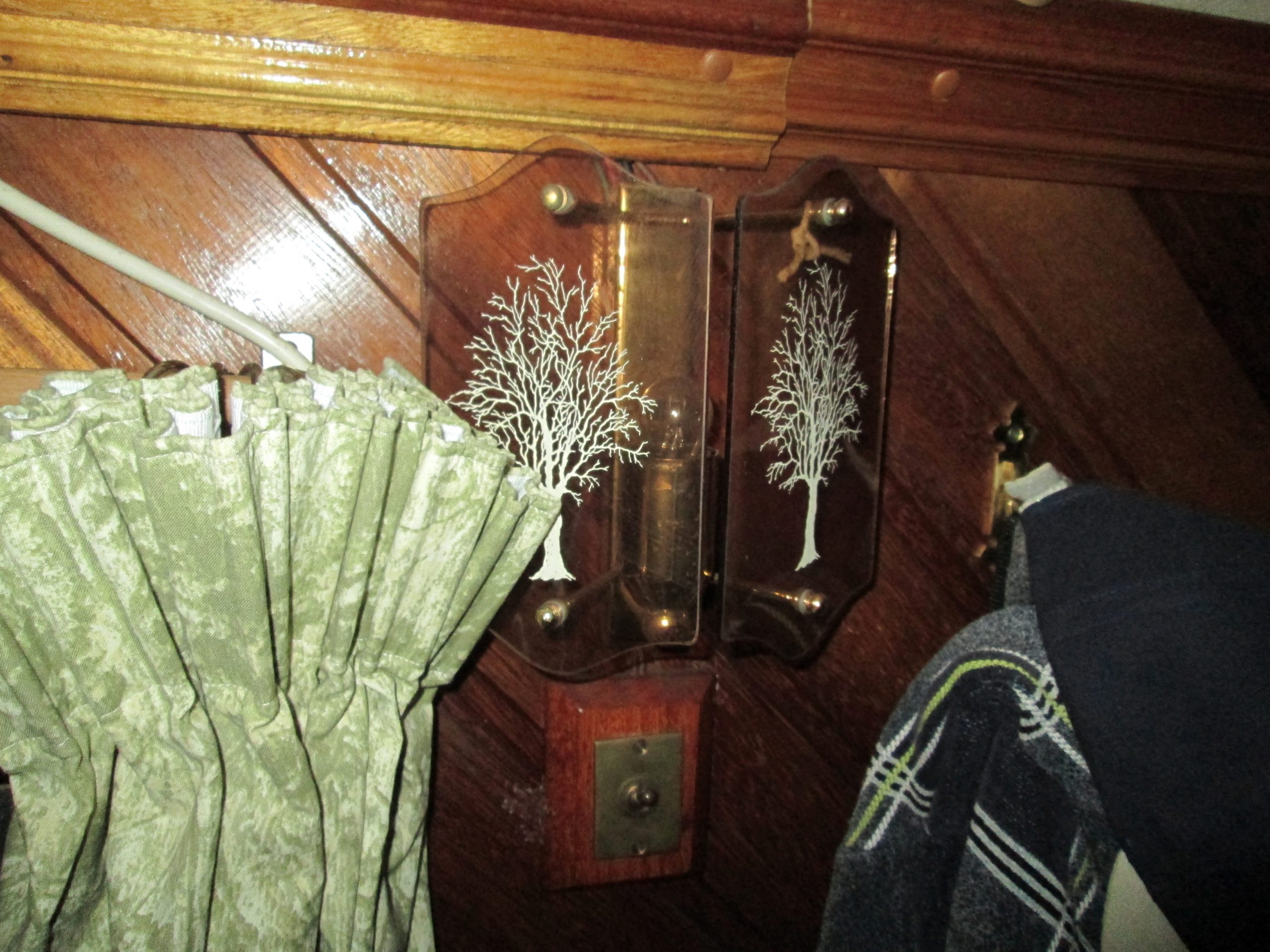
New button fitted!

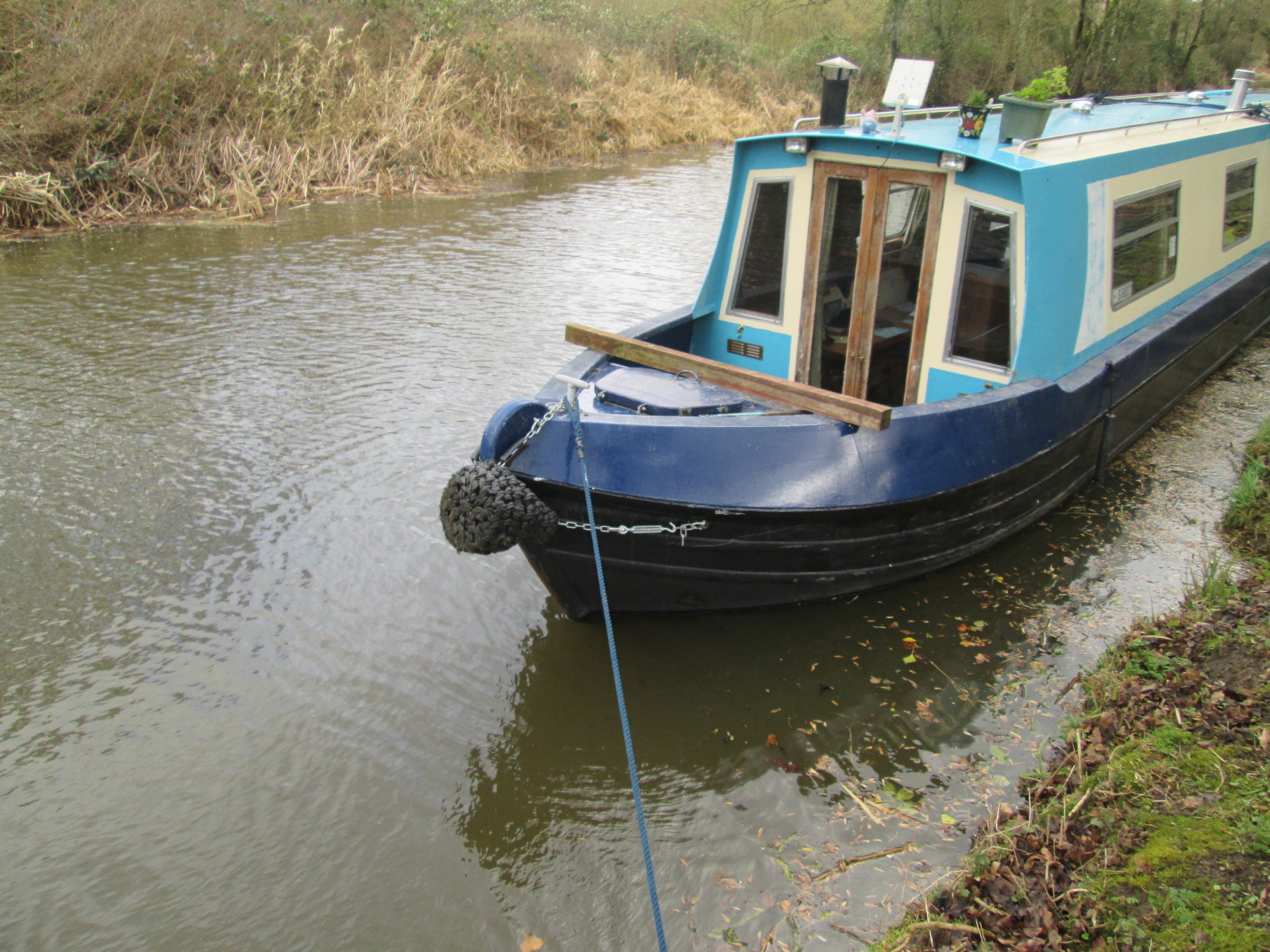
New fender
New fender

Fitted this new fender to the Bow myself the other day when I pulled in for water.

I anchored the boat right out in the canal, easy enough in the winter when there are no boats around.

When it was right angles to the bank, I fitted the new one.

It needs a tightener clamp on the other side
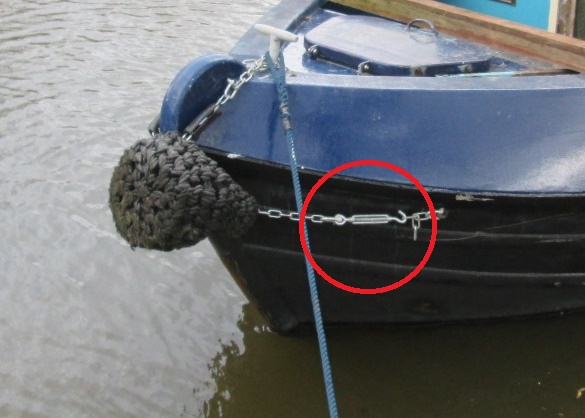
tightener clampAnd also the rubber bushes which protect the paintwork need to be cut and fitted to the chains to stop them rubbing.

Currently, with storm Doris bearing down, it’s going to be a day of drinking tea and playing video games.
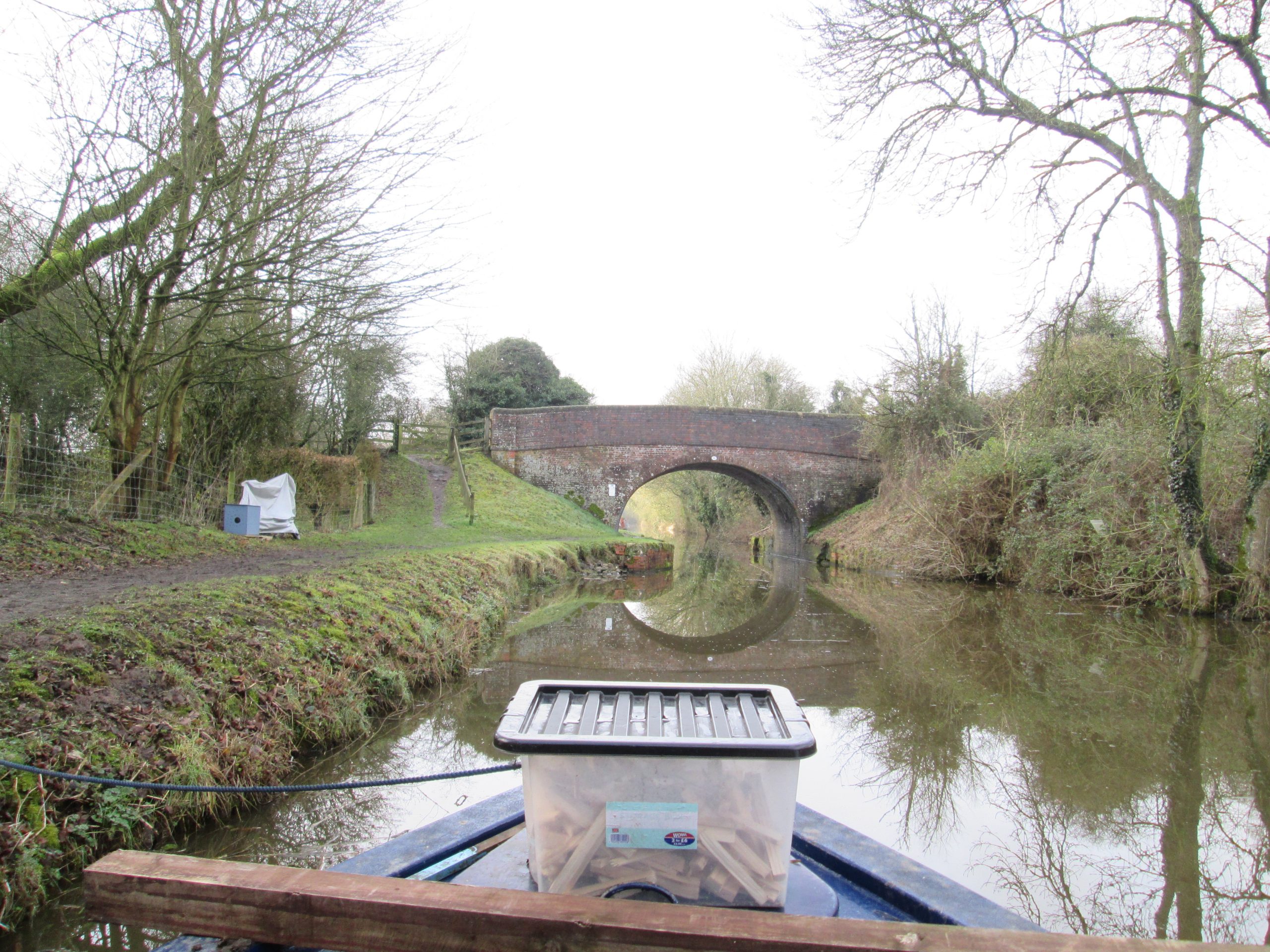
 

Milkhouse Water, Wiltshire

Continuous cruising rules

  1. Each 14 days as a continuous cruiser; you have to move location.
  2. Not only that, each 14 days that move has to represent a move to a new neighbourhood.
  3. Not only that, each move must be linear, you can move from X to Y and then to Z, but not from X to Y and back to X again.
  4. To clarify that the CRT puts it on it’s site ‘consistent with the lifestyle of one who means to ‘navigate canals and waterways’.

It’s no longer possible to live on the canals and waterways of the UK under Canal and River Trust rules, you simply have the right to navigate.

There may be ways AROUND this. But strict enforcement essentially means; if you’ve got no ‘homebase’, you’ve got to be going from A to C, (with all the little b’s inbetween).

Milkhouse Water
Milkhouse Water

Milkhouse Water

This week, my little ‘b’ is Milkhouse Water. This is essentially the next parish along from Pewsey, maybe 2 miles down the road. Continue reading “Milkhouse Water, Wiltshire”

Now in Pewsey, CRT mooring rules

Pewsey visitors moorings

Having not written a blog for a while; my status has changed slightly. I’ve moved down the road, from Devizes to somewhere called Pewsey.

It’s a small town on the Avon.

CRT rules state you have to move neighbourhood every two weeks, unless you have ‘permanent moorings’.

Currently, this applies to me.

Canal and River Trust mooring rules

The Canal and River Trust are pretty fuzzy about the meanings and measurements involved.

There is an article here about what a ‘neighbourhood’ represents for the CaRT.

The rules are pretty clear. You have to keep moving.

The advantage of it being Winter: All visitor moorings are 14 days, (unless otherwise stated).

First complaint

I received my first complaint from one of my neighbours….

Last night, I got in late from work and had to start the engine up to give me some electricity to keep the fridge cool, charge the batteries, watch telly.

All the things that you usually do on a Saturday night and need to do out of necessity.

Problem was, the engine was on until 11:20pm.

Complaint

First time it’s happened, but my lovely neighbour made a point of coming round to inform me.

What a nice man.

Winter electricity usage

I’ve just fitted this voltmeter after I’ve found myself constantly waking up with no electricity.

Not only this, when I turn the engine on at night, to charge the battery, I’m never sure how long I should run it for to charge the battery up. I’ve been suspecting that I’m not really having a clue what or how my electricity is being used, when it’s such a valuable resource on the boat.

12V Voltmeter

You need a simple instrument to tell you this.

12v Voltmeter
12v Voltmeter

It’s an inline voltmeter, and it cost about £40 from 12vPlanet, which sells all sorts of 12v accessories for caravans, boats and mobile homes.

In the picture, the engine is turned on, and the voltage is up to about 14v, which is right at the top of the scale. Continue reading “Winter electricity usage”